Exploring the cultural significance of gambling across different societies
The Historical Roots of Gambling
Gambling has been a part of human civilization for thousands of years, tracing its origins back to ancient societies. Evidence suggests that the Chinese were playing a form of lottery as early as 205 BCE, while the Romans used dice in games that combined chance with strategy. These activities were not merely recreational; they held significant social value, reinforcing communal bonds and highlighting shared experiences. Gambling was often intertwined with religious practices, where dice games or betting were seen as a way to communicate with the divine.
In ancient Egypt, gambling was also present, with artifacts indicating that board games similar to modern-day backgammon were played for stakes. The significance of these activities extended beyond mere entertainment; they often served as a form of social commentary, reflecting the hopes and desires of society. The thrill of risk-taking provided an avenue for individuals to engage with their fate, showcasing humanity’s timeless fascination with chance.
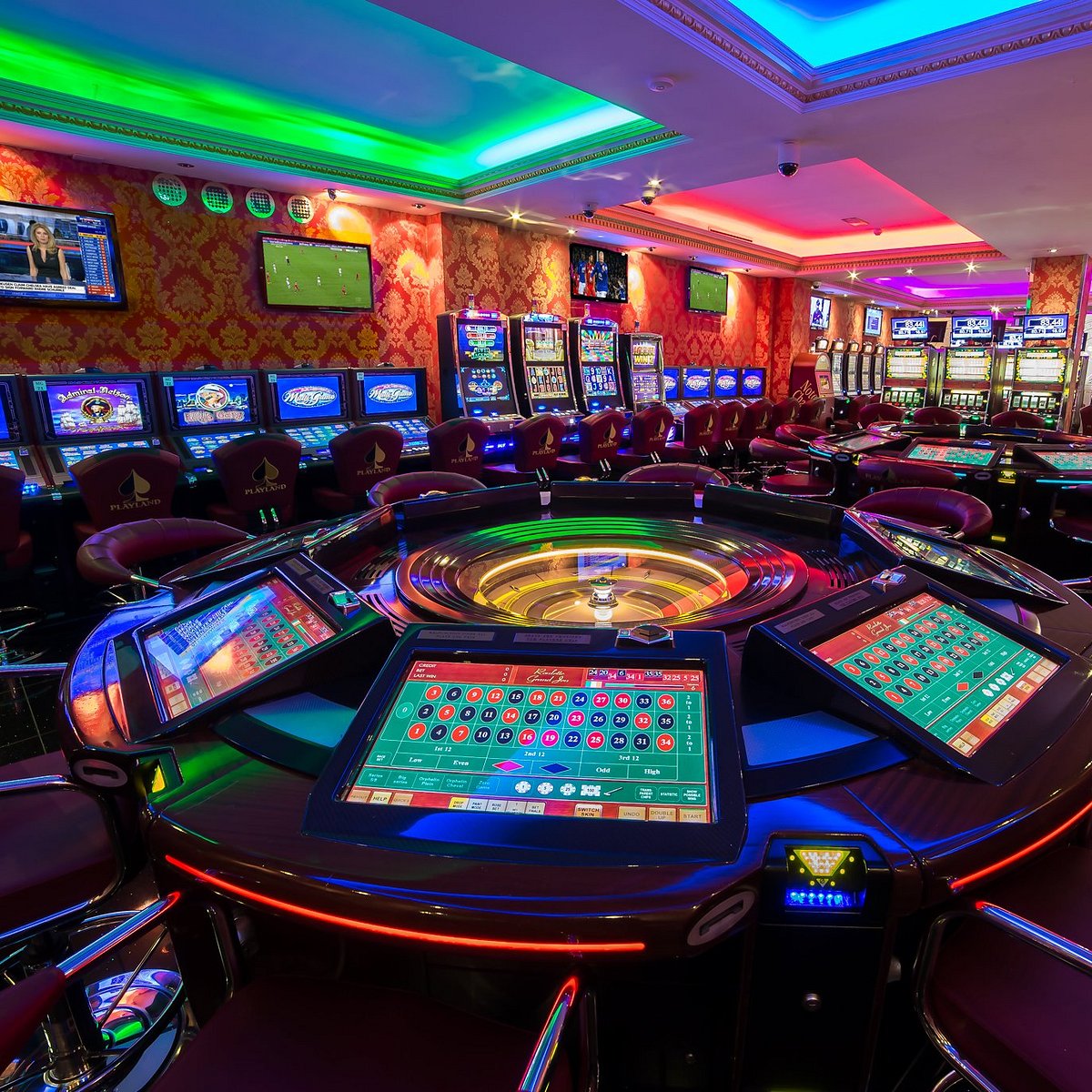
As societies evolved, so did gambling, transitioning from simple games to more complex systems involving significant financial stakes. The medieval period saw the emergence of gambling houses, and by the Renaissance, it had begun to resemble the casinos we know today. Each stage of this evolution mirrored broader societal changes, revealing how gambling adapted to cultural shifts while retaining its core appeal as a form of entertainment and social engagement.
Gambling and Social Cohesion
Across various cultures, gambling has often served as a catalyst for social interaction. In many indigenous societies, traditional gambling games are integral to festivals and communal gatherings, promoting unity and shared enjoyment. For example, the Native American tradition of games like „Looch“ is not only a means of entertainment but also a way to preserve cultural heritage and strengthen community ties. These games often involve rituals that celebrate cultural identity, illustrating how gambling is interwoven with social fabric.
In modern urban settings, casinos and online gaming platforms continue to facilitate social interactions, albeit in different forms. Whether it’s gathering friends for a poker night or engaging in online multiplayer games, gambling fosters camaraderie. The environment of a casino, filled with excitement and anticipation, creates a shared space for individuals from diverse backgrounds to connect and communicate, thus enhancing social dynamics.
Moreover, gambling can also be a means of social mobility. In many cultures, winning a game or placing a successful bet can change an individual’s status, offering them a chance to improve their circumstances. This dynamic highlights the role of chance in society, where fortune can shift not only individual lives but also the lives of families and communities, often reinforcing social structures and hierarchies.
Gambling as Cultural Expression
In many societies, gambling is deeply embedded in cultural rituals and traditions, serving as a medium for artistic expression. For instance, the colorful and elaborate celebrations during festivals in countries like Italy and Spain often incorporate games of chance, with local customs influencing the types of games played. This cultural expression through gambling not only entertains but also reinforces a sense of identity and belonging among participants.
Traditional card games, such as the Italian game of Scopone or the Spanish Mus, reflect regional characteristics and values. They are often played during significant life events, such as weddings and religious festivities, emphasizing their importance in cultural storytelling. The way these games are played and the stakes involved can symbolize larger societal themes, such as honor, reputation, and community loyalty.
Even in literature and film, gambling serves as a powerful narrative device that explores themes of risk, chance, and fate. From Dostoevsky’s „The Gambler“ to the glitzy portrayals of Las Vegas in modern cinema, these representations delve into the human psyche, highlighting our complex relationship with luck and decision-making. Through these cultural lenses, gambling becomes a reflection of broader societal values and challenges, revealing how societies grapple with issues of morality, fortune, and aspiration.
Legal and Ethical Dimensions of Gambling
The cultural significance of gambling also brings forth a host of legal and ethical discussions. Different societies have varied perspectives on gambling, influencing legislation and societal norms. For instance, in some cultures, gambling is embraced and regulated, often seen as a vital source of revenue through taxes and tourism. Countries like Monaco and Singapore have turned gambling into an industry that bolsters their economies, while also implementing strict regulations to manage its impact on society.
Conversely, other societies view gambling as a moral failing, associating it with vice and social issues. This can lead to stringent laws prohibiting gambling activities, often fueled by cultural or religious beliefs. In regions where gambling is illegal, underground operations may arise, creating a juxtaposition between cultural values and the innate human desire for risk and reward. This duality highlights the complexity of gambling as a cultural phenomenon.
Additionally, the rise of online gambling has prompted renewed debates surrounding addiction and social responsibility. As more individuals engage in remote gaming experiences, issues of gambling addiction and its effects on mental health have gained prominence. Societies are beginning to recognize the need for preventive measures and educational programs, aiming to balance the enjoyment of gambling with responsible gaming practices, thereby ensuring that cultural celebrations do not lead to detrimental consequences.
Pistolo Casino: A Modern Gaming Experience
As online gaming continues to flourish, platforms like are at the forefront of this evolution, providing players with a secure and engaging environment to enjoy various gambling experiences. Catering specifically to New Zealand players, offers an impressive range of games, including popular pokies, table games, and live dealer options. This accessibility allows users to engage with traditional forms of gambling while also embracing modern gaming trends.
enhances the player experience by providing generous bonuses, such as a welcome match that encourages new users to explore the platform. The convenience of accepting local currency (NZD) simplifies transactions, making the platform user-friendly. Furthermore, dedicated customer support available 24/7 ensures that players receive assistance whenever needed, reinforcing the importance of a safe and enjoyable gambling environment.
Ultimately, platforms like exemplify how gambling has adapted to cultural shifts while remaining a significant form of entertainment. By incorporating elements of tradition and innovation, these online casinos continue to reflect the cultural significance of gambling across different societies, bridging the gap between history and modernity. As gambling evolves, it remains a dynamic expression of human interaction and cultural identity, one that is likely to endure through generations.